






Your Guide to Tire Rotation and Pressure Checks
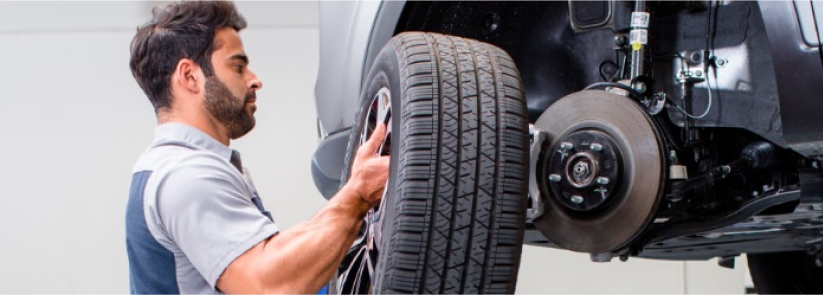
Proper tire care is essential for keeping your vehicle safe, efficient, and running smoothly. Regular tire rotation and pressure checks extend the life of your tires and improve fuel efficiency and handling, making every drive safer and more enjoyable.
Understanding Tires
Tires play a major role in your vehicle’s performance. They connect your vehicle to the road, providing traction, absorbing shocks, and aiding in steering and braking. Without well-maintained tires, even the most advanced and modern vehicles will struggle to perform.
The Role of Tires in Safety and Performance
Properly inflated and evenly worn tires ensure better handling, shorter braking distances, and smoother rides. Worn tires, on the other hand, can reduce traction, increase stopping distances, and raise the risk of hydroplaning on wet roads.
Tire Wear and Tear: Causes and Implications
Uneven wear often results from misalignment, improper inflation, or varying road conditions. Worn-out tires affect performance and can lead to costly repairs or replacements.
For a thorough inspection or alignment adjustments, visit the experts at Mtn. View Hyundai for trusted service.
The Importance of Tire Rotation
Tire rotation is a simple yet effective way to prolong the life of your tires and maintain even tread wear.
What is a Tire Rotation?
Tire rotation involves moving tires from one position on your vehicle to another, such as swapping front tires with rear ones. This process ensures that all tires wear evenly, which is important for maintaining balance and stability.
Different Patterns of Tire Rotation
There are several tire rotation patterns, each suited for specific vehicles:
- Forward Cross: The front tires move to the rear, while the rear tires switch to the opposite front positions.
- X-Pattern: All tires are swapped diagonally.
- Rearward Cross: Rear tires move to the front, while front tires cross to the rear.
Benefits of Regular Tire Rotations
- Prolong Tire Life and Improve Efficiency: Even wear maximizes the lifespan of your tires and enhances fuel economy.
- Improved Handling: Balanced tires ensure smoother rides and better control.
How Often Should You Rotate Your Tires?
Most manufacturers recommend rotating tires every 5,000 to 8,000 miles but always check your owner’s manual for specific guidance.
Mastering Tire Pressure Checks
Maintaining proper tire pressure is just as important as rotating your tires. Under- or over-inflated tires can cause uneven wear, reduce fuel efficiency, and even lead to dangerous blowouts.
How to Check Your Tire Pressure
- Use a tire pressure gauge to check each tire's PSI (pounds per square inch).
- Compare the reading with your vehicle's recommended PSI, usually found on a sticker inside the driver's door.
- Adjust the pressure as needed using an air compressor, adding or releasing air until it meets the recommended level.
Tire Pressure Recommendations
Tire pressure can change with the seasons, as colder temperatures cause air to contract. Regular checks—especially before long trips or during temperature swings—are key to keeping your tires in great shape.
How Often Should You Check Tire Pressure?
Aim to check tire pressure at least monthly, before road trips, and any time you notice changes in handling or performance. For reliable tire checks and adjustments, schedule an appointment with Mtn. View Hyundai.
Mtn. View Hyundai
Address
6236 Alabama Hwy
Ringgold, GA 30736
Phone
- Sales 706-937-1123
- Service 706-935-4500
- Parts 706-935-4500
| Monday | 9:00AM - 7:00PM |
| Tuesday | 9:00AM - 7:00PM |
| Wednesday | 9:00AM - 7:00PM |
| Thursday | 9:00AM - 7:00PM |
| Friday | 9:00AM - 7:00PM |
| Saturday | 9:00AM - 6:00PM |
| Sunday | Closed |
| Monday | 7:30AM - 6:00PM |
| Tuesday | 7:30AM - 6:00PM |
| Wednesday | 7:30AM - 6:00PM |
| Thursday | 7:30AM - 6:00PM |
| Friday | 7:30AM - 6:00PM |
| Saturday | 7:30AM - 4:00PM |
| Sunday | Closed |
| Monday | 7:30AM - 6:00PM |
| Tuesday | 7:30AM - 6:00PM |
| Wednesday | 7:30AM - 6:00PM |
| Thursday | 7:30AM - 6:00PM |
| Friday | 7:30AM - 6:00PM |
| Saturday | 7:30AM - 4:00PM |
| Sunday | Closed |
