






What is the Hyundai Seat Belt Anchor Defect
Vehicle safety is always a top concern, particularly when manufacturers announce recalls or safety defects. For Hyundai owners, understanding the implications of these issues is essential for maintaining both driver and passenger well-being. Recently, seat belt anchor defects have garnered attention within the Hyundai community, prompting many to seek guidance and support.
Mtn. View Hyundai remains committed to assisting customers in navigating these safety concerns and ensuring every Hyundai on the road meets strict safety standards.
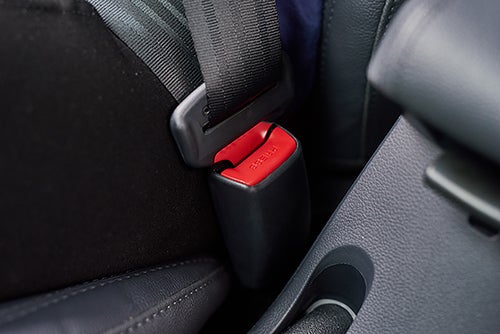
What is a Seat Belt Anchor Defect?
A seat belt anchor is the crucial mounting point that secures one end of the seat belt system to a vehicle’s frame or seat structure. Its primary job is to keep the seat belt firmly in place, especially during a collision. A defect in the seat belt anchor means there may be a fault in how the anchor is installed, manufactured, or performs under stress. This could include inadequate attachment, subpar materials, or issues that prevent the anchor from functioning as intended, potentially increasing the risk in the event of an accident.
Affected Models and Symptoms
Certain Hyundai models have been recognized as potentially affected by the seat belt anchor defect. If you own or lease one of these vehicles, being aware of the signs can help you address the issue promptly:
- 2021–2023 Hyundai Elantra
- 2021–2022 Hyundai Elantra HEV (Hybrid)
- 2021–2022 Hyundai Sonata HEV (Hybrid)
- 2022–2023 Hyundai Santa Fe HEV (Hybrid) and PHEV (Plug-In Hybrid)
- 2022–2023 Hyundai Tucson HEV (Hybrid) and PHEV (Plug-In Hybrid)
Common signs of a seat belt anchor defect include:
- Anchor feels loose or unstable
- Seat belt anchor exhibits unusual movement when pulled or adjusted
- Warning lights or messages related to seat belt system appear on the dashboard
If you feel as though you’ve experienced one of these symptoms, please give our Service Department a call at 706-935-4500.
Safety Risks and Importance of Repairs
A faulty seat belt anchor poses significant risks by potentially reducing the effectiveness of the restraint system in a crash. Seat belts are designed to keep occupants securely in their seats; a compromised anchor can result in increased injury risk. In addition to reducing occupant protection, a defective seat belt anchor may cause increased risk of ejection during a severe collision, greater likelihood of seat belt failure under sudden force, and inadequate seat belt positioning leading to more severe injuries.
There is also a higher risk of liability if injuries occur in an accident involving a known defect. Promptly addressing this defect is critically important for safeguarding everyone in the vehicle. Delaying repairs could not only reduce occupant protection, but also lead to further complications, such as increased injury risk, increased potential for legal liability, and complications with future recalls or repair eligibility.
What to Do if Your Hyundai is Affected
If you suspect your Hyundai may be impacted by the seat belt anchor defect, taking immediate action ensures ongoing safety and compliance. Begin by following these steps:
- Check your vehicle’s VIN to determine if your model is included in any recall or safety notice
- Schedule a comprehensive service appointment at Mtn. View Hyundai to have your seat belt anchors professionally inspected and, if necessary, repaired or replaced
- Contact the Mtn. View Hyundai dealership with questions or concerns about your vehicle’s safety status
Staying proactive not only helps protect you and your passengers, but also upholds the value and reliability of your Hyundai.
Mtn. View Hyundai
Address
6236 Alabama Hwy
Ringgold, GA 30736
Phone
- Sales 706-937-1123
- Service 706-935-4500
- Parts 706-935-4500
| Monday | 9:00AM - 7:00PM |
| Tuesday | 9:00AM - 7:00PM |
| Wednesday | 9:00AM - 7:00PM |
| Thursday | 9:00AM - 7:00PM |
| Friday | 9:00AM - 7:00PM |
| Saturday | 9:00AM - 6:00PM |
| Sunday | Closed |
| Monday | 7:30AM - 6:00PM |
| Tuesday | 7:30AM - 6:00PM |
| Wednesday | 7:30AM - 6:00PM |
| Thursday | 7:30AM - 6:00PM |
| Friday | 7:30AM - 6:00PM |
| Saturday | 7:30AM - 4:00PM |
| Sunday | Closed |
| Monday | 7:30AM - 6:00PM |
| Tuesday | 7:30AM - 6:00PM |
| Wednesday | 7:30AM - 6:00PM |
| Thursday | 7:30AM - 6:00PM |
| Friday | 7:30AM - 6:00PM |
| Saturday | 7:30AM - 4:00PM |
| Sunday | Closed |
