












Compact SUVs are one of the most sought-after vehicle categories today, offering a balance of practicality and performance. The 2025 Hyundai Tucson and 2025 Toyota RAV4 both deliver this versatility, but each brings its own strengths to the table.
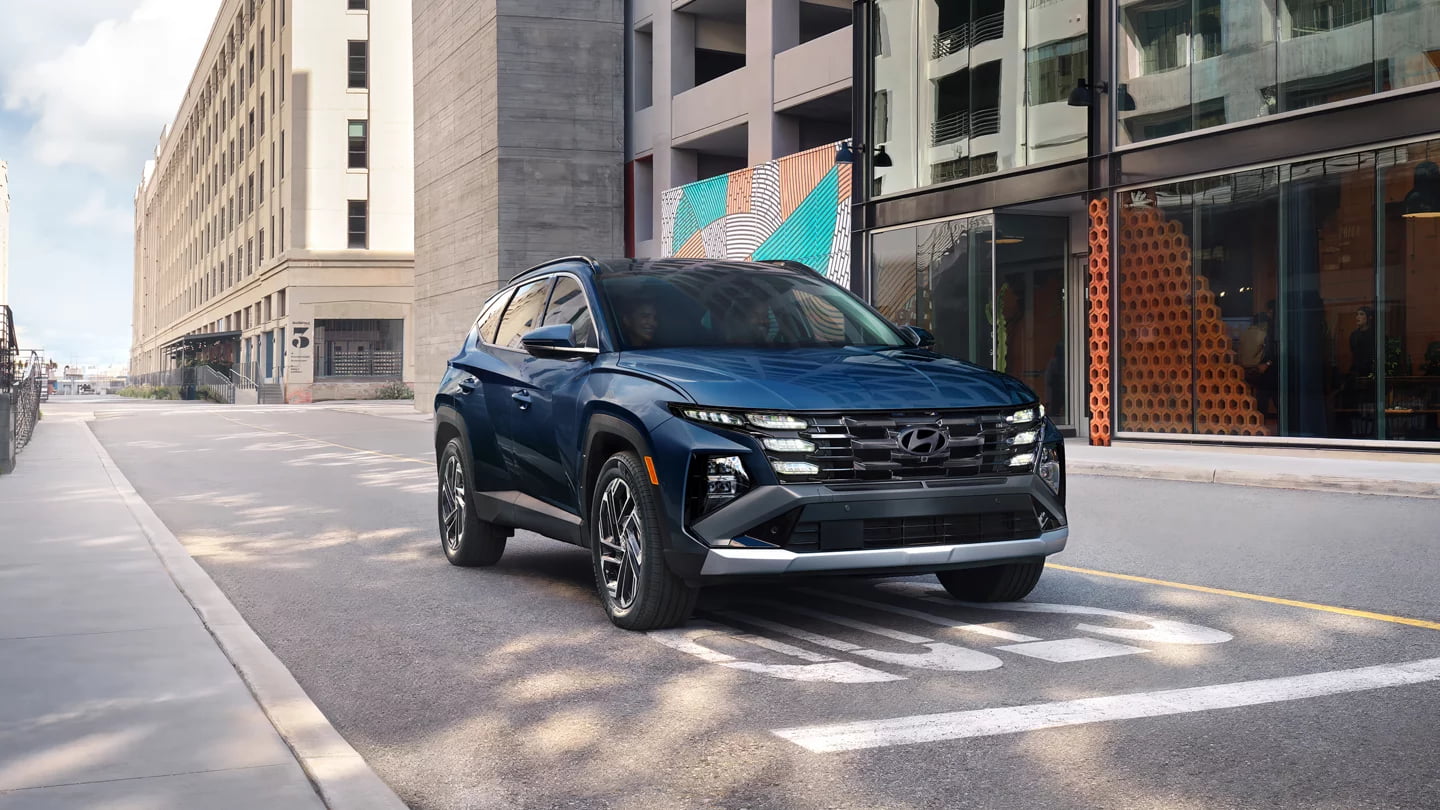
Overview of the 2025 Hyundai Tucson
The 2025 Hyundai Tucson offers gas, hybrid, and plug-in hybrid powertrains. The spacious cabin features updated technology, including a panoramic curved display. Hyundai’s warranty includes a 10-year/100,000-mile powertrain warranty and 3 years of complimentary maintenance. Mtn. View Hyundai also offers a Lifetime Powertrain Warranty giving you added protection to your new vehicle. With features like HTRAC all-wheel drive (AWD) for off-road capability and the convenience of Hyundai Digital Key 2 for smartphone-based vehicle access, the Tucson offers tremendous value for its price.
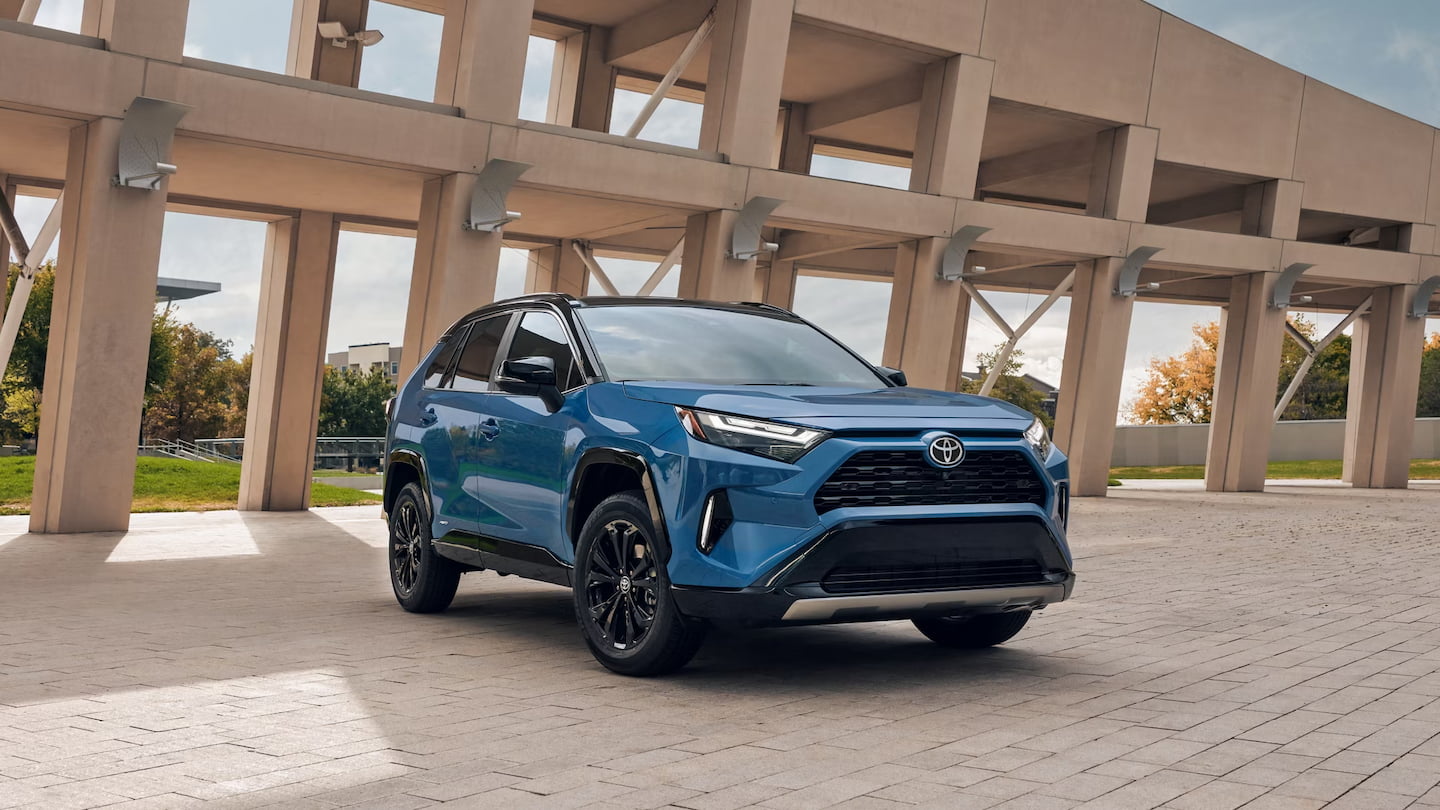
Overview of the 2025 Toyota RAV4
The 2025 Toyota RAV4 continues to be a favorite among compact SUVs due to its rugged design. It brings no major redesigns but remains competitive with its solid fuel efficiency, hybrid powertrain options, and off-road trims like the Woodland Edition.
Available features such as an 11-speaker JBL audio system and Toyota Safety Sense 2.5 driver assistance suite highlight its tech-savvy appeal. However, the RAV4’s standard warranty—capped at 3 years/36,000 miles for basic coverage—is less generous compared to the Tucson.
Detailed Comparison
Design
The Hyundai Tucson boasts an eye-catching exterior design with sharp lines, a bold grille, and available 19-inch alloy wheels that give it a modern edge. The RAV4 leans toward a rugged aesthetic with a boxy profile and sporty accents that appeal to off-road enthusiasts. The Tucson offers slightly more cargo space, with up to 74.8 cubic feet, compared to the RAV4’s maximum of 69.8 cubic feet.
Inside, the Tucson features clean lines, modern materials, and advanced displays seamlessly integrated into the cabin. Its rear seats offer outstanding legroom at 41.3 inches. The RAV4 opts for a utilitarian design with practical storage options and durable SofTex upholstery but slightly less second-row legroom at 37.8 inches.
Performance
The Tucson offers three powertrain choices: a gas-powered engine producing 187 horsepower, a hybrid version with a combined 231 horsepower, or a plug-in hybrid offering an additional all-electric driving range of up to 32 miles. Fuel efficiency is strong across trims, with hybrids achieving up to 35 MPG combined.
The RAV4’s gas engine generates slightly more horsepower at 203. Its hybrid models offer similar efficiency but don’t include plug-in capability unless you opt for the more expensive RAV4 Prime.
Technology
Hyundai takes technology to the next level with its expansive panoramic curved display combining infotainment and gauge cluster functionality. It also features Hyundai Digital Key 2 for smartphone-based vehicle access. Toyota offers wireless Apple CarPlay/Android Auto compatibility and an available 12.3-inch customizable digital gauge cluster.
Safety
The Tucson is equipped with Hyundai SmartSense technology that offers forward collision avoidance, blind-spot monitoring with view cameras on higher trims, lane-keeping assistance, and rear cross-traffic collision avoidance.
Similarly, the RAV4 includes Toyota Safety Sense 2.5 with pre-collision warnings and adaptive cruise control.
Pros and Cons
The Hyundai Tucson excels in interior space and has advanced tech features like its curved display design. Its diverse powertrains include hybrids and plug-in hybrids. Those seeking extreme off-road capability might find better options in the RAV4’s Woodland Edition. However, the RAV4 struggles to compete on warranty coverage or cutting-edge technology.
Contact Us
Connect with us


Recent Blog Entries
Categories
Mtn. View Hyundai
Address
6236 Alabama Hwy
Ringgold, GA 30736
Phone
- Sales 706-937-1123
- Service 706-935-4500
- Parts 706-935-4500
| Monday | 9:00AM - 7:00PM |
| Tuesday | 9:00AM - 7:00PM |
| Wednesday | 9:00AM - 7:00PM |
| Thursday | 9:00AM - 7:00PM |
| Friday | 9:00AM - 7:00PM |
| Saturday | 9:00AM - 6:00PM |
| Sunday | Closed |
| Monday | 7:30AM - 6:00PM |
| Tuesday | 7:30AM - 6:00PM |
| Wednesday | 7:30AM - 6:00PM |
| Thursday | 7:30AM - 6:00PM |
| Friday | 7:30AM - 6:00PM |
| Saturday | 7:30AM - 4:00PM |
| Sunday | Closed |
| Monday | 7:30AM - 6:00PM |
| Tuesday | 7:30AM - 6:00PM |
| Wednesday | 7:30AM - 6:00PM |
| Thursday | 7:30AM - 6:00PM |
| Friday | 7:30AM - 6:00PM |
| Saturday | 7:30AM - 4:00PM |
| Sunday | Closed |
